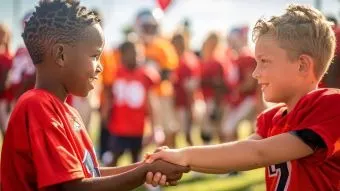
Why Your Child Struggles with Sportsmanship: Causes and Fixes Every Parent Needs to Know
Sportsmanship is vital for building character in kids, teaching respect and fairness in both wins and losses. Poor sportsmanship often stems from natural competitiveness, negative role models, media influences, and external pressures. Schools, parents, and coaches play crucial roles in promoting positive behavior through modeling, education, and reinforcement. By addressing these issues, we can foster respectful and empathetic young athletes.
Introduction
Sportsmanship is a crucial part of growing up, teaching kids respect, fairness, and grace in both victory and defeat. It’s more than just about following rules—it's about building character. Yet, many parents and educators notice a lack of sportsmanship in school-aged kids. This behavior can lead to conflicts, bullying, and a generally unpleasant experience for everyone involved. Let’s dive into why this happens and how we can address it effectively.
Causes of Poor Sportsmanship in Children
First, let's understand the root causes of poor sportsmanship in kids aged 6-9.
Competitive behavior in young children: Children are naturally competitive. This drive to win can sometimes overshadow the importance of fair play. It's not unusual to see kids get upset when they lose a game. They might even lash out or cheat to avoid losing. Understanding this natural tendency is the first step in addressing poor sportsmanship.
Lack of role models for good sportsmanship: Kids often mimic the behavior of adults. If they see their coaches, parents, or even professional athletes displaying poor sportsmanship, they’re likely to think it’s acceptable. Think about it—how often have you seen a pro athlete throw a tantrum on TV?
Influence of media and professional sports: Speaking of TV, the media plays a huge role. When kids watch their favorite athletes behave badly without consequences, they might get the wrong idea about what’s acceptable behavior in sports.
Pressure from parents and coaches: Sometimes, the pressure to win from parents and coaches can lead kids to prioritize winning over playing fair. Balancing encouragement with an emphasis on effort and improvement is key.
The Role of Schools in Promoting Sportsmanship
Schools play a significant role in shaping children’s attitudes toward sportsmanship.
Importance of a positive sports culture in schools: A school that values and rewards good sportsmanship can make a huge difference. This means celebrating not just the winners but also those who play fair and show respect.
Role of teachers in teaching sportsmanship: Teachers can integrate sportsmanship lessons into both physical education and regular classroom activities. By reinforcing these values regularly, children are more likely to internalize them.
School programs for sportsmanship development: Implementing programs specifically designed to teach and promote sportsmanship can be very effective. These programs can provide kids with the skills and knowledge they need to behave appropriately in sports and other group activities.
Recognizing and rewarding good sportsmanship: Schools can create awards and recognition programs for students who display exemplary sportsmanship. This positive reinforcement can encourage more kids to follow suit.
Teaching Fair Play to School-Aged Children
Now, let's talk about some practical strategies.
Strategies for parents to improve children’s sportsmanship: Parents can model good sportsmanship by showing respect for others, discussing the importance of fair play, and praising their children when they demonstrate these behaviors. For instance, after a game, a parent might say, “I’m proud of how you shook hands with the other team, even though you lost.”
Coaching tips for fostering sportsmanship: Coaches should set clear expectations for behavior, encourage teamwork, and address unsportsmanlike behavior immediately and constructively. A coach might say, “We don’t argue with the referee. Instead, we focus on our game.”
Encouraging teamwork in young athletes: Emphasizing the importance of working together and supporting teammates can help children understand the value of collaboration over individual success. Activities that require cooperation, like relay races, can be very effective.
Conflict resolution in school sports: Teaching children how to resolve conflicts peacefully and fairly is a critical component of sportsmanship. Role-playing scenarios can be an effective way to practice these skills. For example, you could have kids practice what to say if they feel a teammate is being unfair.
Addressing Unsportsmanlike Behavior in Schools
Addressing unsportsmanlike behavior is crucial for creating a positive environment.
Identifying signs of poor sportsmanship: Behaviors such as cheating, arguing, and disrespecting opponents are clear indicators. Teachers and coaches should be vigilant in spotting these signs.
Effective communication with children about sportsmanship: Open, honest conversations about the importance of sportsmanship and the impact of unsportsmanlike behavior can help children understand why these behaviors are unacceptable. For example, discussing how a particular behavior made someone feel can be eye-opening for kids.
Implementing a sportsmanship curriculum for elementary schools: Structured lessons and activities focused on sportsmanship can provide children with the tools they need to exhibit good behavior in sports and other activities. These lessons can be integrated into the physical education curriculum or even general classroom discussions.
Handling competitive behavior in young children: Balancing the natural competitiveness of children with lessons on fair play and respect is essential. Encouraging children to focus on personal improvement rather than winning can help mitigate overly competitive behavior. For instance, rewarding personal bests in track events, regardless of where they place, can shift the focus from winning to improving.
Solutions for Improving Sportsmanship in Kids
Finally, let’s look at some solutions to improve sportsmanship in kids.
Building a positive sports culture in schools: Creating an environment where sportsmanship is valued and celebrated is key. This can include everything from school-wide assemblies to celebrate good sportsmanship to incorporating these values into everyday school activities.
Importance of sportsmanship education for elementary students: Early education on sportsmanship can lay the foundation for positive behaviors as children grow older. Integrating these lessons into the broader curriculum ensures they are reinforced regularly.
Strategies for parents and coaches to promote respect and fairness: Consistent reinforcement of sportsmanship principles by parents and coaches, along with setting clear expectations, can help children internalize these values. For instance, parents can discuss sportsmanship during car rides home from games, and coaches can hold team meetings to discuss these values.
Overcoming challenges in teaching sportsmanship: Addressing obstacles such as peer pressure, negative role models, and the emphasis on winning can be challenging. Continuous effort, positive reinforcement, and community support are key to overcoming these challenges.
Conclusion
To recap, we’ve looked at the causes of poor sportsmanship, the role of schools in promoting sportsmanship, and practical strategies for teaching and reinforcing good sportsmanship in children. Fostering good sportsmanship isn’t just about sports—it’s about helping children become respectful, fair, and empathetic individuals. By working together, parents, teachers, and coaches can create an environment that values and rewards good sportsmanship, setting the stage for a lifetime of positive behavior.