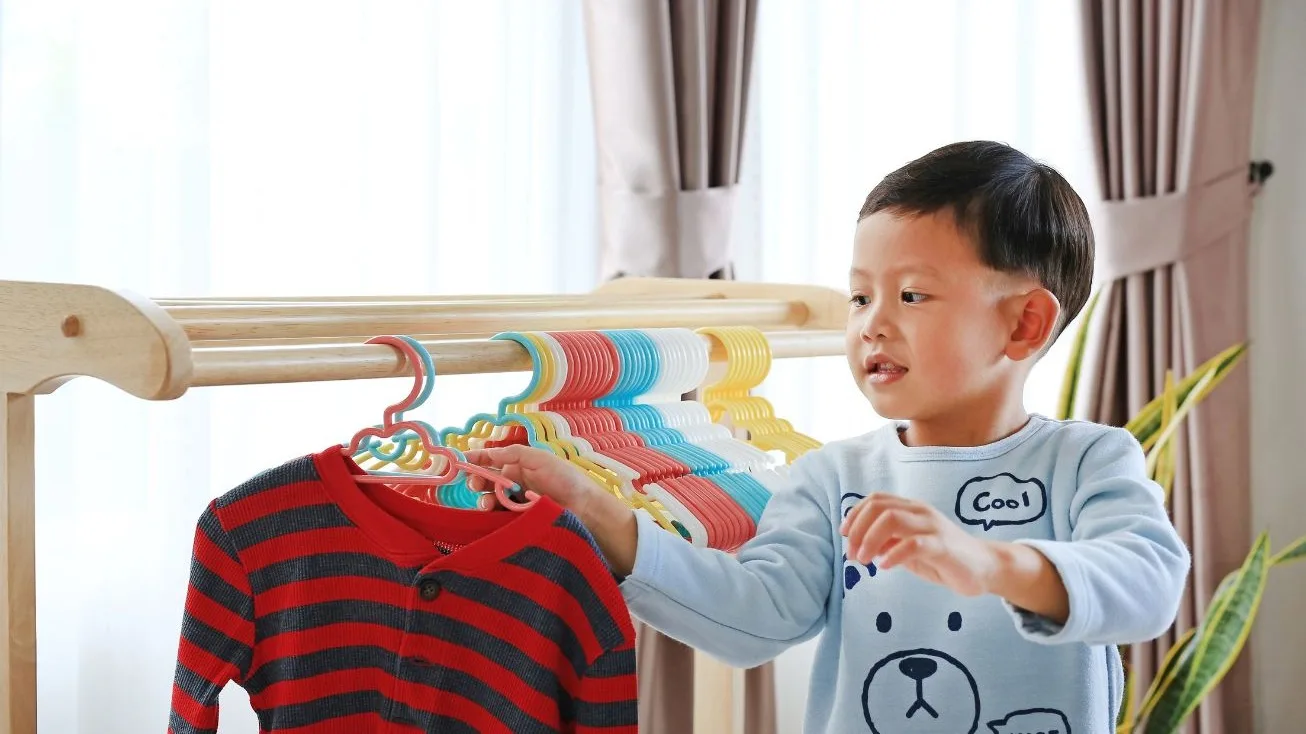
Nurturing Independence: A Guide to Enhancing Preschoolers' Self-Help Skills
Cultivating self-help skills in preschoolers fosters independence and boosts confidence. This blog explores how to nurture autonomy through daily routines, decision-making, and creating a supportive environment. Learn practical tips for teaching self-care, celebrating milestones, and encouraging a sense of accomplishment. Empower your child to become a capable and confident individual ready for life's adventures.
Preschool years are a magical phase in a child's life, marked by curiosity, wonder, and the beginnings of independence. As parents and caregivers, fostering self-help skills during this period is crucial. In this comprehensive guide, we'll explore the importance of autonomy development, provide practical tips for nurturing independence in preschoolers, and share real-world examples to inspire confidence in your child's self-sufficiency journey.
Understanding Autonomy Development
Preschoolers are at a pivotal stage of autonomy development. During these formative years, children are striving to assert themselves and gain a sense of independence. This process plays a vital role in their overall growth and confidence.
Autonomy development in preschoolers typically occurs in stages. At first, they seek independence in small tasks like choosing clothes or pouring cereal. Gradually, they aim for more substantial goals such as tying shoelaces or making simple decisions.
Fostering independence and self-help skills in preschoolers contributes significantly to their self-esteem and overall development. When children feel capable of accomplishing tasks independently, they develop a sense of competence and confidence in their abilities.
Fostering Independence in Daily Routines
Daily routines offer numerous opportunities to support self-help skills in preschoolers. By encouraging autonomy during these routines, parents can instil a sense of accomplishment and responsibility.
Example: During mealtime, allow your child to choose from a selection of healthy foods. This not only promotes decision-making but also encourages them to take ownership of their meal choices.
Statistics: According to a study by Grolnick and Ryan, children who feel a sense of autonomy during daily routines are more likely to develop self-regulation and positive self-esteem.
Encouraging Decision Making and Choices
Empowering preschoolers to make age-appropriate decisions is an essential aspect of nurturing independence. It's crucial to provide opportunities for children to make choices within boundaries set by parents.
Example: When dressing, offer two outfit choices and ask your child to pick one. This simple decision allows them to feel in control of their choices.
Statistics: Research published in the Journal of Applied Developmental Psychology highlights that decision-making opportunities in early childhood contribute positively to self-esteem and independence.
Creating a Supportive Environment
The physical environment can significantly influence a child's ability to be independent. Parents can optimize their home environment to encourage self-help activities.
Example: Organise shelves with accessible toys and materials, making it easy for your child to select toys and engage in independent play.
Statistics: A study conducted by The Center for the Built Environment indicates that a well-organized environment promotes children's autonomy and self-sufficiency.
Teaching Self-Care and Safety
Preschoolers can develop essential self-care skills that contribute to their independence and safety. Teaching these skills equips them with valuable tools for daily life.
Example: Teach your child to wash their hands independently. Explain the importance of handwashing and provide a step-by-step demonstration.
Statistics: According to the World Health Organization (WHO), proper handwashing is one of the most effective ways to prevent the spread of infections and promote children's health and safety.
Celebrating Progress and Milestones
Acknowledging and celebrating a child's progress in self-help skills is essential for motivation and confidence building.
Example: Celebrate milestones such as buttoning a shirt for the first time or making a bed independently. Praise your child for their efforts and achievements.
Statistics: In a study by Brummelman it was found that praising effort and persistence positively impacted children's motivation and self-esteem.
Conclusion
In conclusion, nurturing independence and self-help skills in preschoolers is a rewarding journey that sets the stage for their lifelong development. By understanding autonomy development stages, encouraging decision-making, creating a supportive environment, teaching self-care, and celebrating progress, parents and caregivers can empower their children to become confident, self-sufficient individuals.
Remember that each child's path to independence is unique. Be patient, provide guidance, and celebrate every step towards autonomy. With your support and encouragement, your preschooler will blossom into a capable, confident, and independent individual ready to explore the world with confidence.