Preschool Selection 101: Factors Every Parent Should Consider
Selecting the right preschool is a crucial decision for your child's early education. This blog outlines key factors to consider, including evaluating program types, teacher qualifications, curriculum, and safety. By assessing parent involvement, cost, and reviews, you can make an informed choice that aligns with your child's needs and your family's values, ensuring a rewarding preschool experience.
Introduction
Welcome to the exciting journey of selecting the perfect preschool for your child. It's a decision that can shape their early years and set the stage for a lifetime of learning. In this guide, we'll explore the essential factors to consider when choosing the right preschool for your little one. Let's dive in!
Section 1: Defining Your Preschool Selection Criteria
Choosing the right preschool begins with a clear understanding of what you're looking for. Your selection criteria will serve as your roadmap in this important decision-making process. It's essential to involve your child's needs and interests while setting these criteria. Be flexible, and remember that what works for one family may not be the best fit for another.
Section 2: Evaluating Preschool Programs
Preschools come in various shapes and sizes, each with its unique approach to early childhood education. Some of the most common types include Montessori, play-based, and traditional programs. To make an informed decision, let's explore the characteristics of each:
- Montessori Preschools: These schools focus on self-directed learning and hands-on activities. They encourage independence and curiosity in children.
- Play-Based Preschools: Play is at the heart of these programs. They prioritise social interaction and learning through play, fostering creativity and cooperation.
-Traditional Preschools: Traditional programs often have structured curriculum plans. They combine play with structured lessons and typically prepare children for elementary school.
Example: If your child thrives in an environment where they can explore and learn independently, a Montessori preschool might be the right choice. On the other hand, if your child enjoys group activities and social interaction, a play-based program could be a better fit.
Section 3: Teacher Qualifications and Classroom Environment
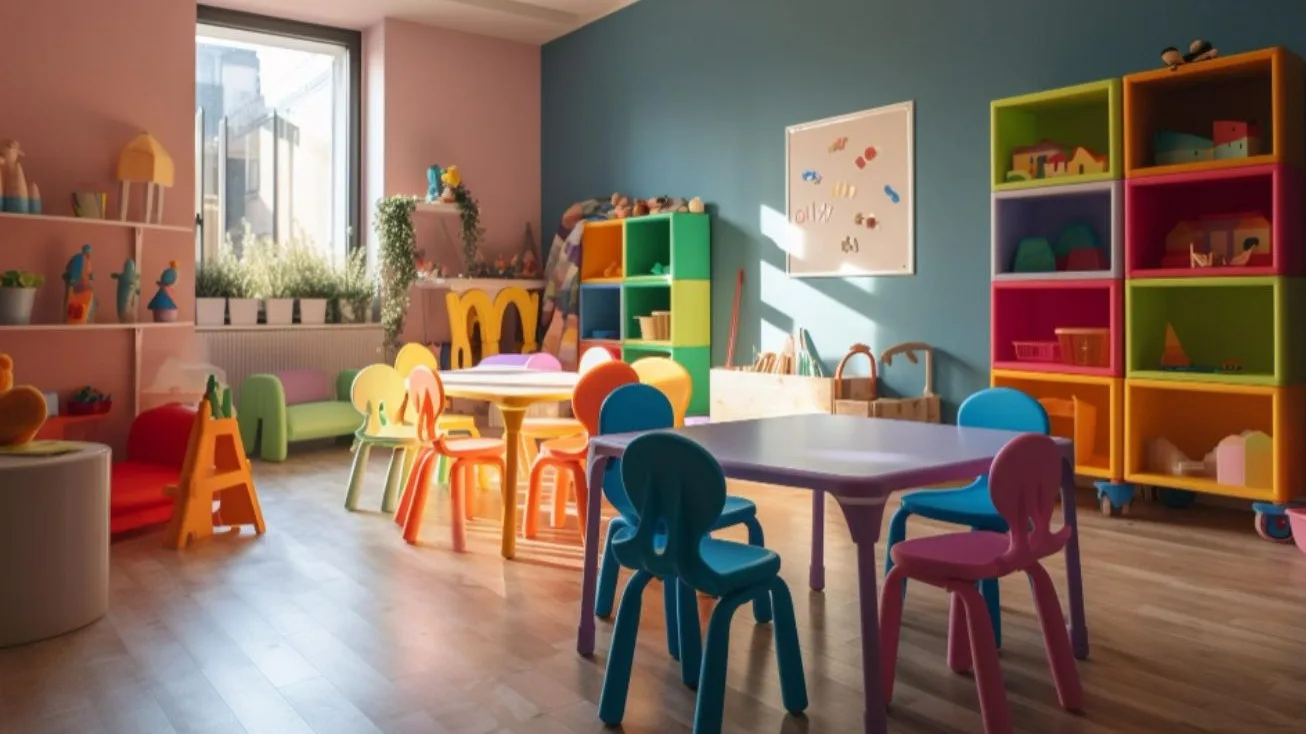
Qualified and nurturing teachers are essential for a successful preschool experience. Look for educators with relevant credentials in early childhood education. Equally important is the classroom environment. A well-organised, stimulating space with age-appropriate materials can greatly enhance your child's learning journey.
Example: During your preschool visits, pay attention to the teacher's interactions with the children. Observe whether the classroom is filled with engaging, hands-on activities and a variety of learning materials.
Section 4: Preschool Curriculum and Learning Activities
A well-balanced curriculum is the backbone of any quality preschool. It should include activities that promote cognitive, social, emotional, and physical development. Learning through play should be a central focus.
Example: Inquire about the curriculum during your preschool visits. Ask about the types of activities children engage in, such as storytelling, art projects, and outdoor play.
Section 5: Parent Involvement and Communication
An effective partnership between parents and preschool staff can greatly benefit your child's development. Look for a preschool that encourages parent involvement and maintains open lines of communication. Regular updates and parent-teacher meetings are indicators of a strong parent-teacher collaboration.
Example: Ask the preschool staff about their approach to involving parents in the learning process. Inquire about how they communicate daily activities and your child's progress.
Section 6: Preschool Safety and Security
Safety should be a top priority when selecting a preschool. Ensure that the facility meets safety standards and has emergency procedures in place. The physical environment should be childproofed, and staff should be trained in CPR and first aid.
Example: During your preschool visits, ask about safety measures and emergency plans. Look for secured entrances and exits, and check for smoke detectors and fire extinguishers.
Section 7: Cost, Location, and Convenience
Practical considerations like tuition fees, preschool location, and operating hours are essential factors. Assess your budget and evaluate whether the preschool's location aligns with your daily routine. Convenience matters, but it should not compromise the quality of education.
Example: Research preschools in your area and compare their tuition fees. Consider whether the location is convenient for drop-off and pick-up, and whether their hours align with your work schedule.
Section 8: Accreditation, Licensing, and Reviews
Accreditation from relevant organisations and licensing from local authorities are indicators of a preschool's commitment to quality. Additionally, read online reviews and seek recommendations from other parents to get insights into the preschool's reputation and track record.
Example: When visiting preschools, ask about their accreditation and licensing status. Check online platforms for reviews and ratings from other parents in your community.
Section 9: Focusing on Child Development and Socialization
Preschool plays a vital role in your child's development, including cognitive, emotional, and social growth. It should offer opportunities for children to interact, play, and learn together. This socialisation is a crucial aspect of their early education.
Example: Inquire about the preschool's approach to socialisation and peer interaction. Ask how they encourage teamwork, sharing, and communication among the children.
Conclusion
Choosing the right preschool is a significant decision that requires careful consideration of various factors. By defining your selection criteria, evaluating program types, and assessing teacher qualifications, you can make an informed choice that aligns with your child's needs and your family's values.
Remember, the perfect preschool for one child may not be the ideal fit for another, so trust your instincts and prioritise your child's well-being and development. With thoughtful research and visits, you can set your child on a path to a rewarding early education experience.