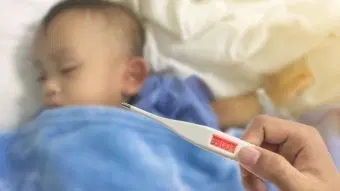
Critical Signs of Infant Pneumonia: Recognizing Severe Chest Indrawing
Recognizing severe chest indrawing in infants, a sign of pneumonia, is crucial for timely intervention. This guide outlines key symptoms such as persistent coughing, rapid breathing, and cyanosis, along with immediate actions to take. It also covers treatment options, preventive measures, and when to seek medical help, empowering parents to ensure their baby's respiratory health.
Respiratory issues in babies can be particularly distressing for parents, especially when symptoms like severe chest indrawing appear. Recognizing these signs early and knowing how to respond can make a critical difference in your baby's health. In this guide, we'll delve into what pneumonia and severe chest indrawing entail, how to identify them, immediate actions to take, treatment options, preventive measures, and when to seek medical help.
Introduction
When it comes to infants, respiratory infections like pneumonia can escalate quickly, leading to severe breathing difficulties and even life-threatening situations. Understanding the signs and knowing how to react promptly is essential for every parent or caregiver.
Signs of Infant Pneumonia
Pneumonia in infants, caused by viruses, bacteria, or even fungi, affects the lungs, making breathing difficult. Here are the key signs to watch for:
Persistent Coughing: Babies with pneumonia may have a cough that persists or worsens over time. It's often accompanied by other symptoms like fever and rapid breathing.
Rapid or Difficult Breathing: Watch for signs of fast breathing (more than 60 breaths per minute) or labored breathing, where you can visibly see the baby's chest and abdomen moving more than usual as they breathe.
Fever and Chills: A fever is a common symptom of pneumonia in babies, although sometimes it may be low-grade and accompanied by chills.
Cyanosis (Bluish Skin): This is a critical sign indicating that the baby is not getting enough oxygen. It typically shows as bluish discoloration around the lips, mouth, or fingertips.
Poor Feeding and Lethargy: Babies with pneumonia may seem less interested in feeding and unusually tired or lethargic.
Understanding Severe Chest Indrawing
Severe chest indrawing is a visible sign that the baby is struggling to breathe. It occurs when the skin around the ribs and chest sinks in with each breath, indicating severe respiratory distress. This can happen because the baby is using extra effort to pull in air due to blocked airways or infection in the lungs.
Immediate Actions to Take
When you notice severe chest indrawing or suspect pneumonia, taking immediate action is crucial:
Stay Calm and Assess the Situation: It's natural to feel alarmed, but staying calm helps you provide effective support. Assess the severity of the chest indrawing and check for other symptoms like fever or cough.
Positioning the Baby for Comfort and Airflow: Place the baby upright or slightly inclined to ease breathing. Ensure their airways are clear and avoid tight clothing that might restrict their chest movements.
Calling Emergency Services or Visiting the Doctor Immediately: If severe chest indrawing persists or worsens, don't hesitate to call emergency services or visit the nearest healthcare facility. Time is of the essence in treating respiratory distress.
Providing Supportive Care While Waiting for Medical Help: Comfort your baby, keep them warm, and reassure them while awaiting medical assistance. This can help alleviate distress and prevent further complications.
Treatment and Management
Treatment for infant pneumonia depends on the cause and severity:
Hospitalization and Oxygen Therapy: Severe cases often require hospitalization for close monitoring and oxygen therapy to ensure the baby gets enough oxygen.
Antibiotic Treatment as Prescribed by a Pediatrician: Bacterial pneumonia is treated with antibiotics, while viral pneumonia may require supportive care like fluids and fever management.
Monitoring and Follow-Up Care: After hospital discharge, follow your pediatrician's instructions for monitoring the baby's recovery. Attend follow-up appointments to ensure complete healing.
Preventive Measures
Preventing pneumonia involves several proactive steps:
Ensuring Vaccinations Are Up to Date: Vaccines like those against influenza and respiratory syncytial virus (RSV) can reduce the risk of pneumonia in infants.
Avoiding Exposure to Cigarette Smoke and Pollutants: Keep your baby away from secondhand smoke and other pollutants that can irritate their lungs and increase susceptibility to infections.
Practicing Good Hand Hygiene and Respiratory Etiquette: Wash your hands frequently, especially before handling the baby, and teach older children good respiratory hygiene.
When to Seek Medical Help
Knowing when to seek medical help is crucial:
Persistent or Worsening Symptoms: If your baby's symptoms, such as severe chest indrawing, fever, or breathing difficulties, persist or worsen despite home care measures, seek medical attention immediately.
Trust Your Instincts: As a parent, you know your baby best. If you're concerned about their breathing or overall condition, don't hesitate to seek help.
Conclusion
Understanding pneumonia and severe chest indrawing in babies empowers you to take swift and appropriate action when needed. By recognizing early signs, knowing immediate actions to take, and following preventive measures, you can safeguard your baby's respiratory health. Remember, prompt medical attention is crucial in managing infant respiratory distress effectively.
Additional Resources
For more information on infant respiratory health and pneumonia, visit:
- Centers for Disease Control and Prevention (CDC)
- American Academy of Pediatrics (AAP)
- World Health Organization (WHO)
Seek advice from your pediatrician or healthcare provider for personalized guidance on managing infant respiratory conditions.